Five questions to ask before choosing an inflatable solution
By Justin Russell •
Five questions to ask before choosing an inflatable solution
An industrial inflatable solution can solve problems that would otherwise require substantial temporary structures, machinery, labour or installation time.
Industrial inflatable systems can be lightweight, portable, quick to deploy and capable of taking shapes that would be difficult or expensive to achieve using conventional construction.
But just because something can be made inflatable doesn’t mean it should be.
When we assess a new application at PolyFusion WA, the starting point isn’t the inflatable product. It’s understanding the problem that needs to be solved.
Sometimes the answer is an inflatable solution.
Sometimes it isn’t.
Start with the application, not the product
Two industrial inflatables with similar dimensions can be expected to perform completely different jobs.
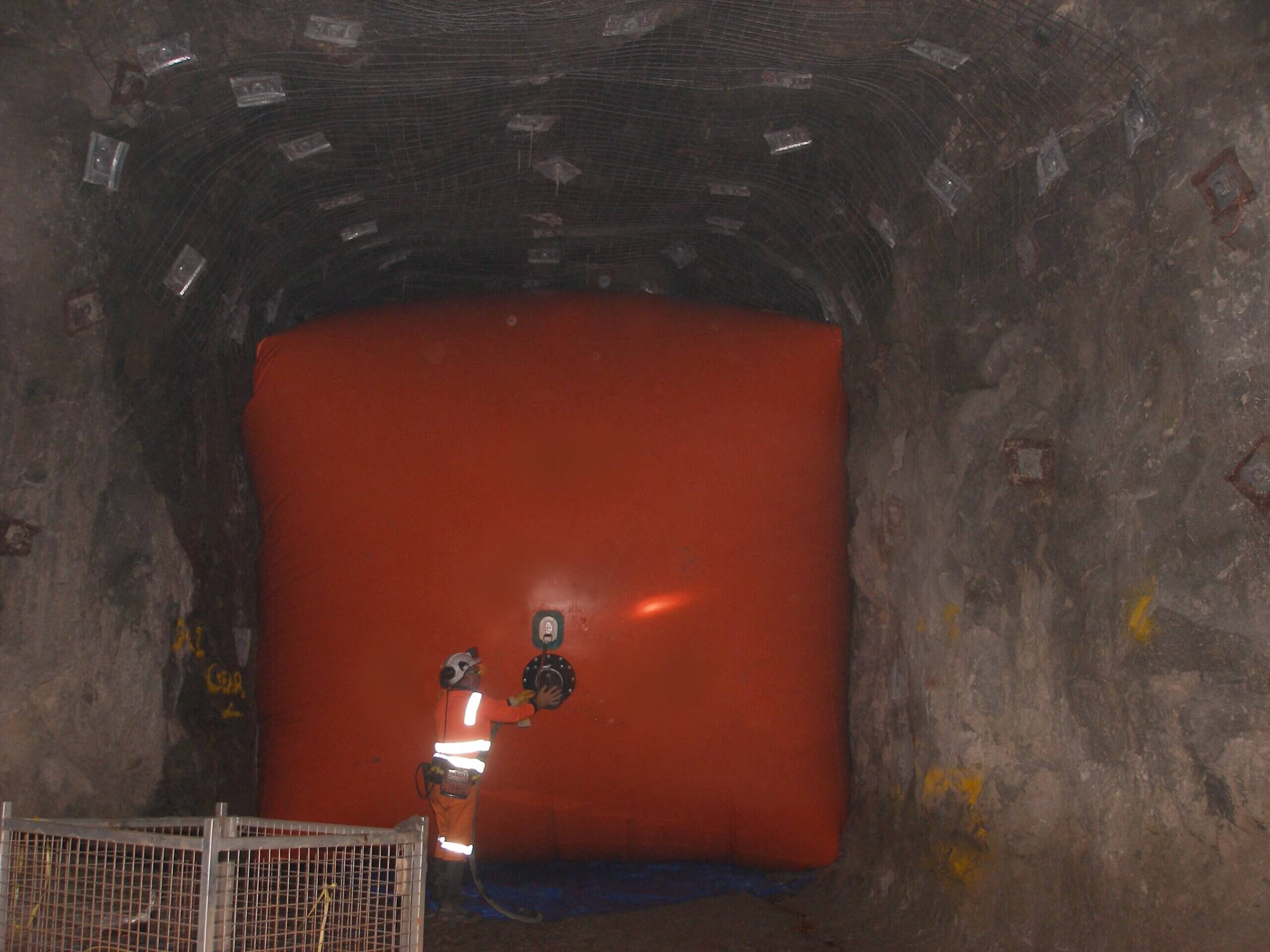
One might be temporarily controlling ventilation underground. Another could be forming a void during a concrete pour, isolating equipment during maintenance or providing containment during a shutdown.
The dimensions may be similar, but the operating requirements are not.
Before deciding whether an industrial inflatable system makes sense, there are five questions worth asking.
Five questions to ask before choosing an inflatable solution
1. Is the requirement temporary or permanent?
Inflatable systems tend to offer their greatest advantages where the requirement is temporary, changing or repeated.
Temporary ventilation controls, maintenance isolation, formwork, environmental containment and shutdown applications are good examples.
A system can be transported into position, deployed for the required period and then removed without needing to demolish a conventional structure.
If the requirement is genuinely permanent and there is straightforward access to construct a conventional solution, an inflatable may provide little advantage.
The important question isn’t whether an inflatable could do the job.
It’s whether being inflatable actually adds value.
2. How difficult is access and installation?
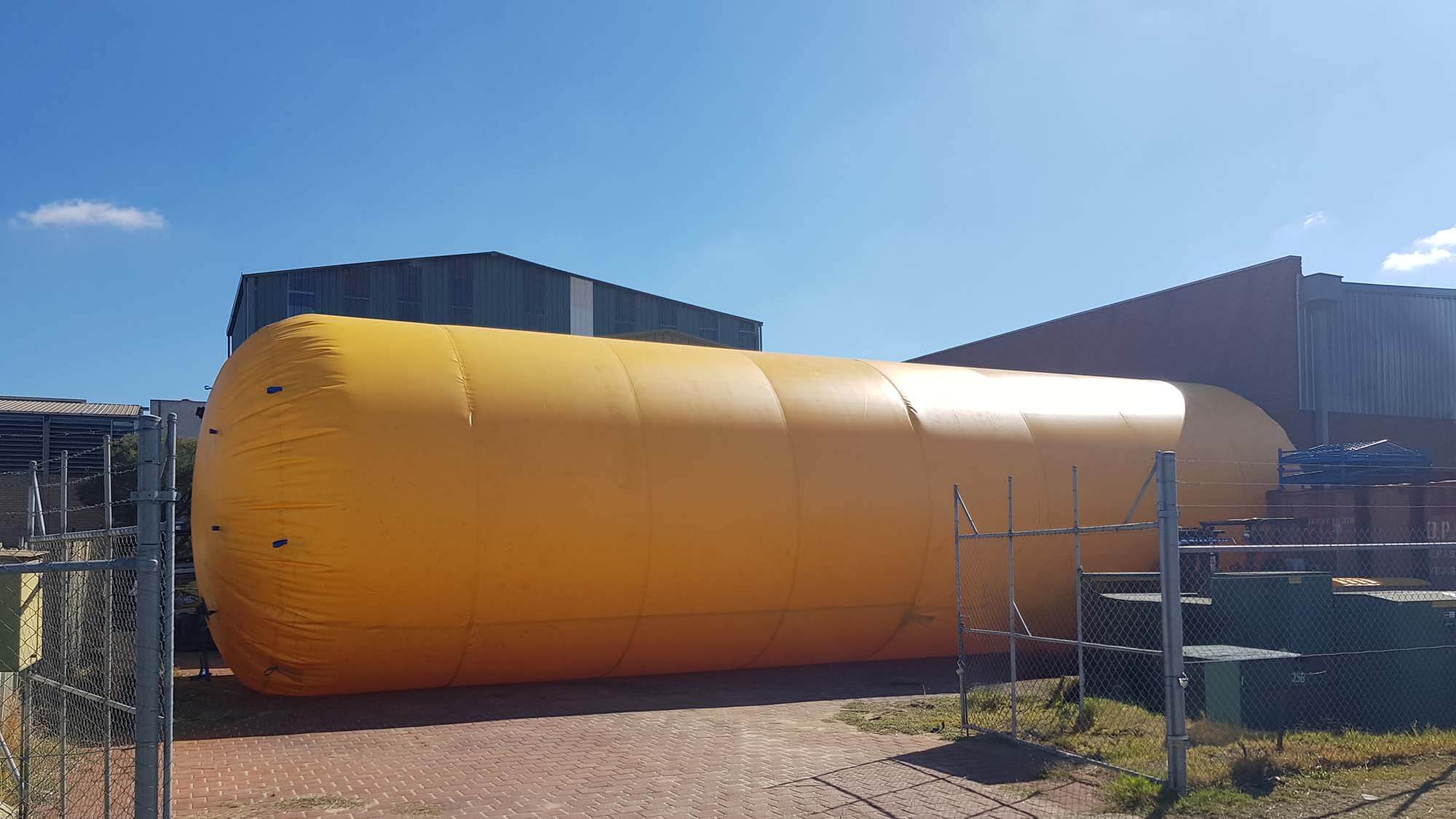
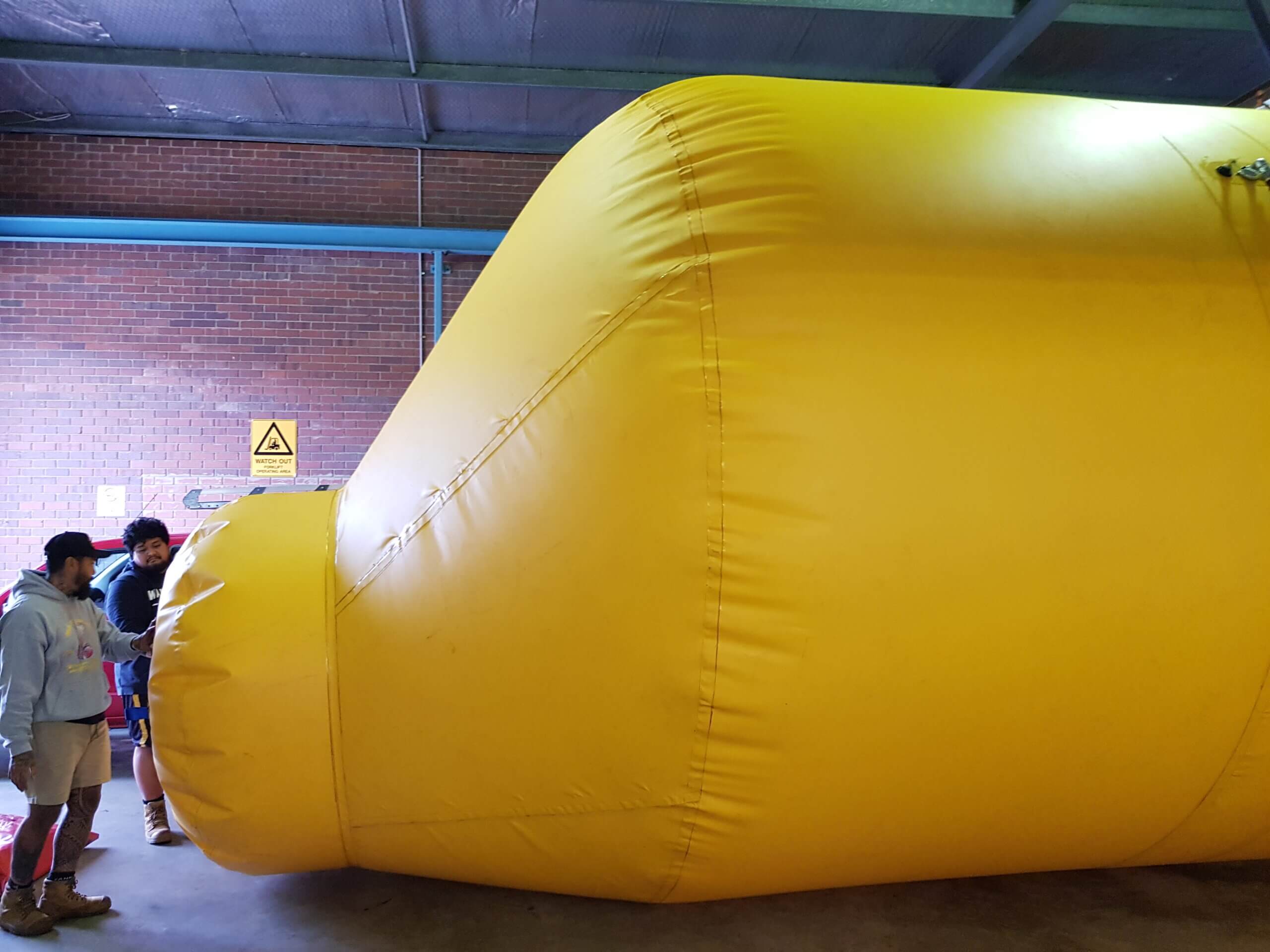
One of the major advantages of an inflatable structure is that its deployed size can be very different from its transport size.
A relatively large structure may be moved into position as a compact package and only take its final shape once it reaches the installation area.
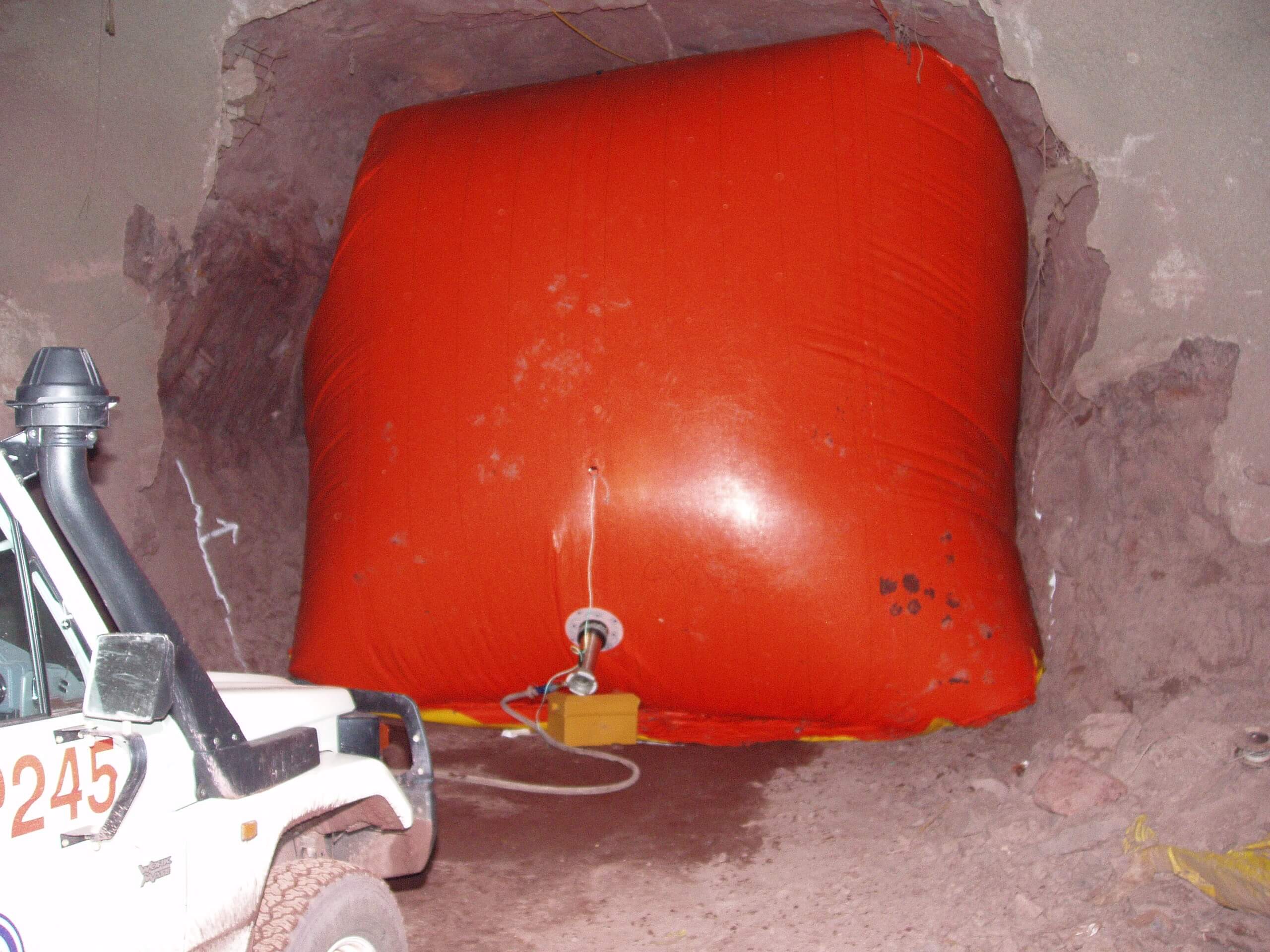
That can be particularly valuable underground, inside industrial plants, around existing infrastructure or anywhere access for large rigid structures and lifting equipment is restricted.
Installation also needs to be considered as part of the overall solution.
A product that looks simple on a drawing may become difficult to use if installers cannot safely position it, access inflation points or manage the system in the actual operating environment.
This is why practical installation and real site conditions need to be considered during the design process, not after manufacturing is complete.
3. Does the geometry favour a flexible structure?
Industrial sites rarely provide perfect conditions.
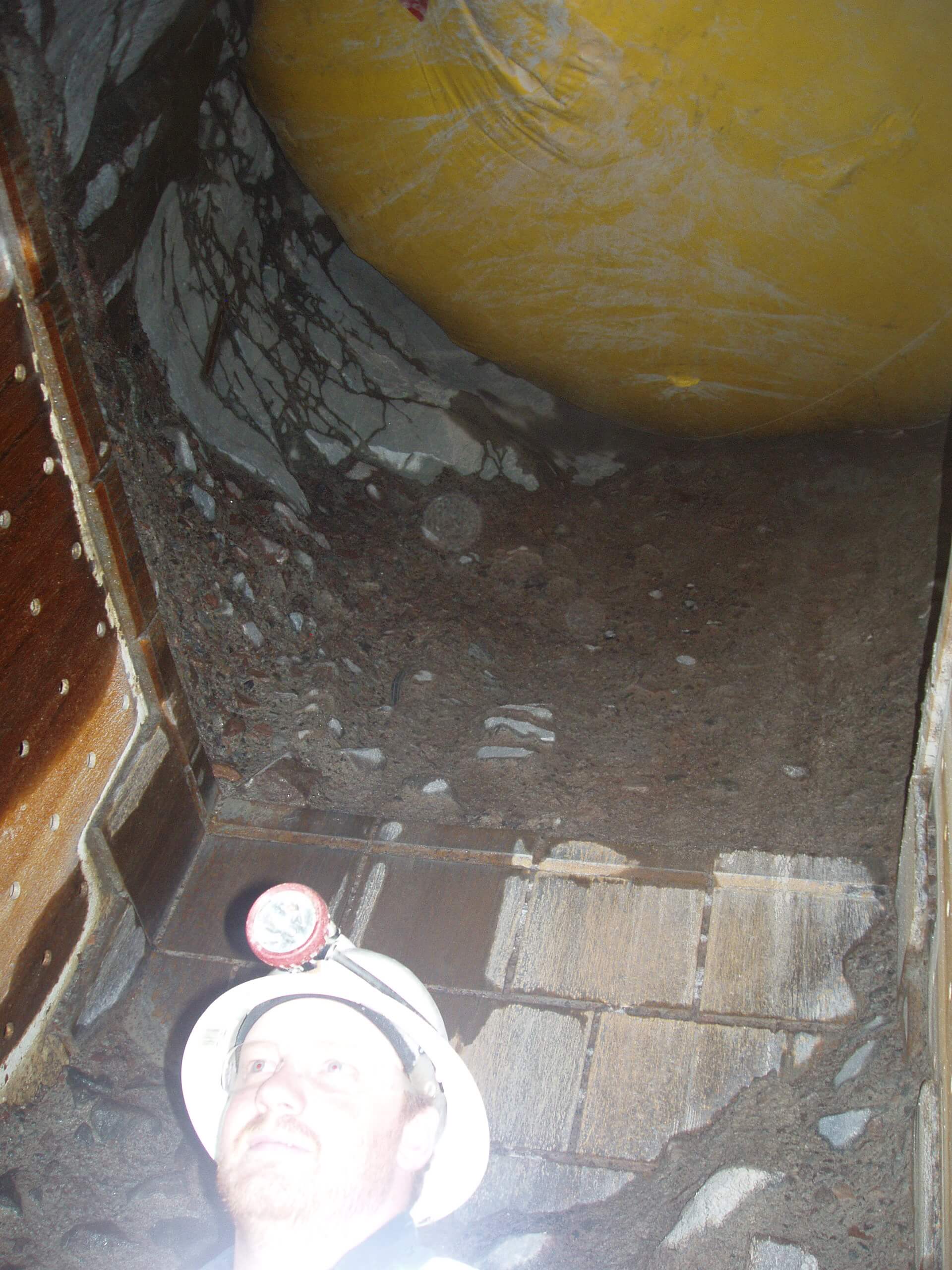
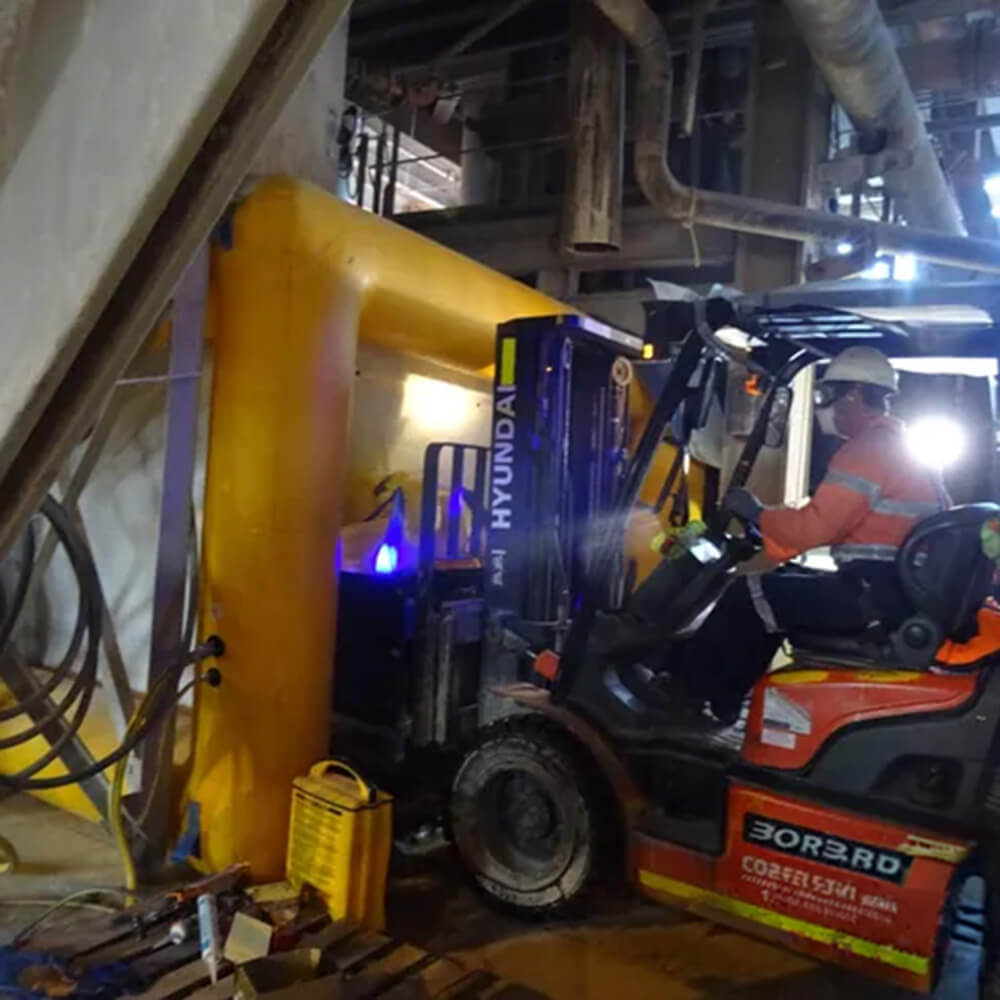
Underground excavations can be irregular. Existing pipework, structural members or equipment may obstruct an installation. Some applications require shapes that would be complicated to fabricate using conventional rigid construction.
Inflatable systems can be designed around unusual geometry and, in some applications, can conform to surrounding surfaces.
That flexibility can make them particularly useful where a conventional structure would require significant fabrication, modification or site work.
But geometry alone isn’t enough.
The way pressure acts on the shape, how loads are transferred through the fabric, how the structure is restrained and how the selected materials perform in the operating environment all need to be considered.
The inflatable needs to work as a complete system, not simply fit the available space.
4. What happens if the system is damaged or loses pressure?
Flexible structures operate differently from steel, concrete and other rigid systems.
That difference needs to be understood rather than ignored.
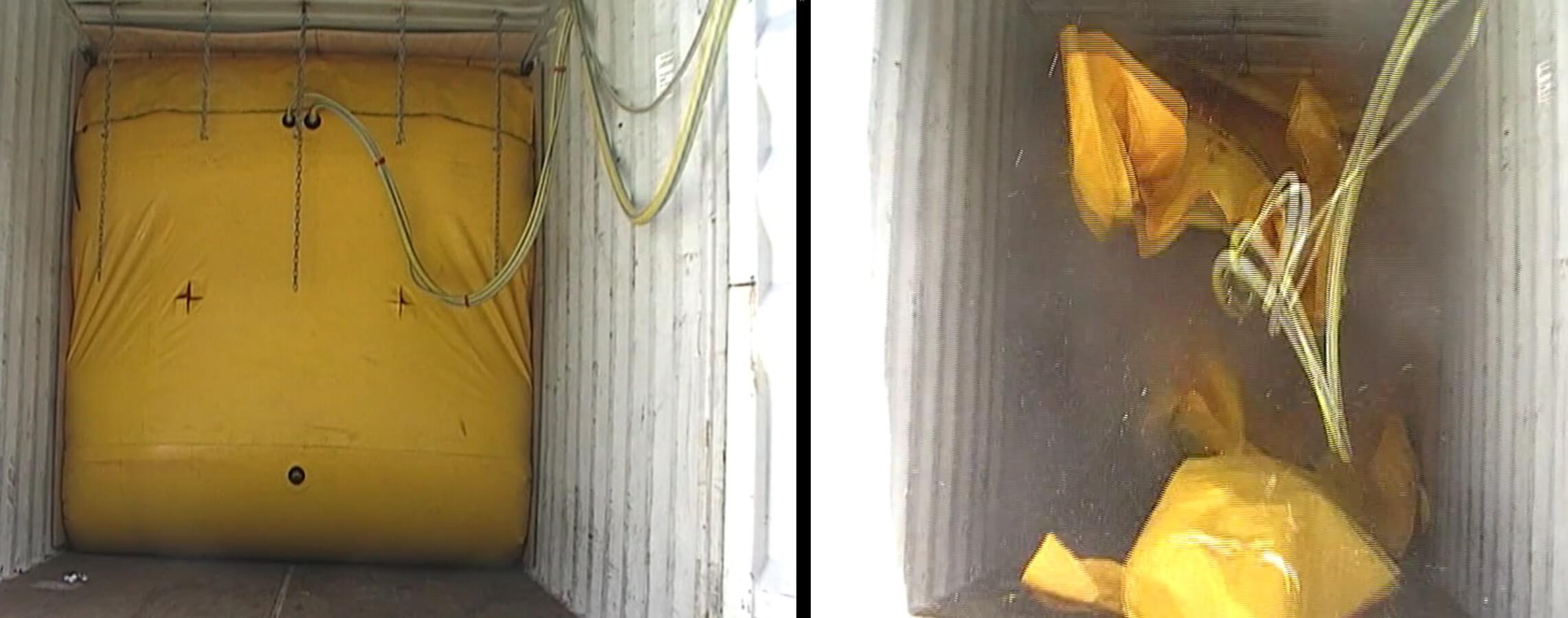
What happens if the product is punctured?
What happens if the air supply is interrupted?
Can the system tolerate minor damage and continue performing?
Can it be inspected and repaired?
How quickly could it be returned to service?
The answers will vary depending on the application.
For some systems, minor damage may have little immediate effect. For others, maintaining pressure may be critical to their function.
Understanding the consequences of damage or pressure loss is therefore part of determining whether an inflatable solution is appropriate in the first place.
It also highlights why repairability, testing and product validation should be considered during design rather than treated as afterthoughts.
5. Does it improve the complete method, not just the product?
This is often the most important question.
An inflatable shouldn’t necessarily be compared only against the purchase price of a conventional structure.
The better comparison is often between the complete methods of achieving the same outcome.
Consider what each solution requires.
How many people are needed to install it?
Does it require scaffolding or lifting equipment?
How long will installation take?
What needs to happen when the job is finished?
Does the conventional structure need to be demolished?
Can the inflatable be inspected, stored and used again?
How much equipment needs to be transported to and from the work area?
A relatively simple inflatable system can sometimes eliminate considerable work elsewhere in the project.
In other cases, once all of those factors are considered, the conventional option may still be simpler and more economical.
That’s the comparison that matters.
Where industrial inflatable systems have an advantage
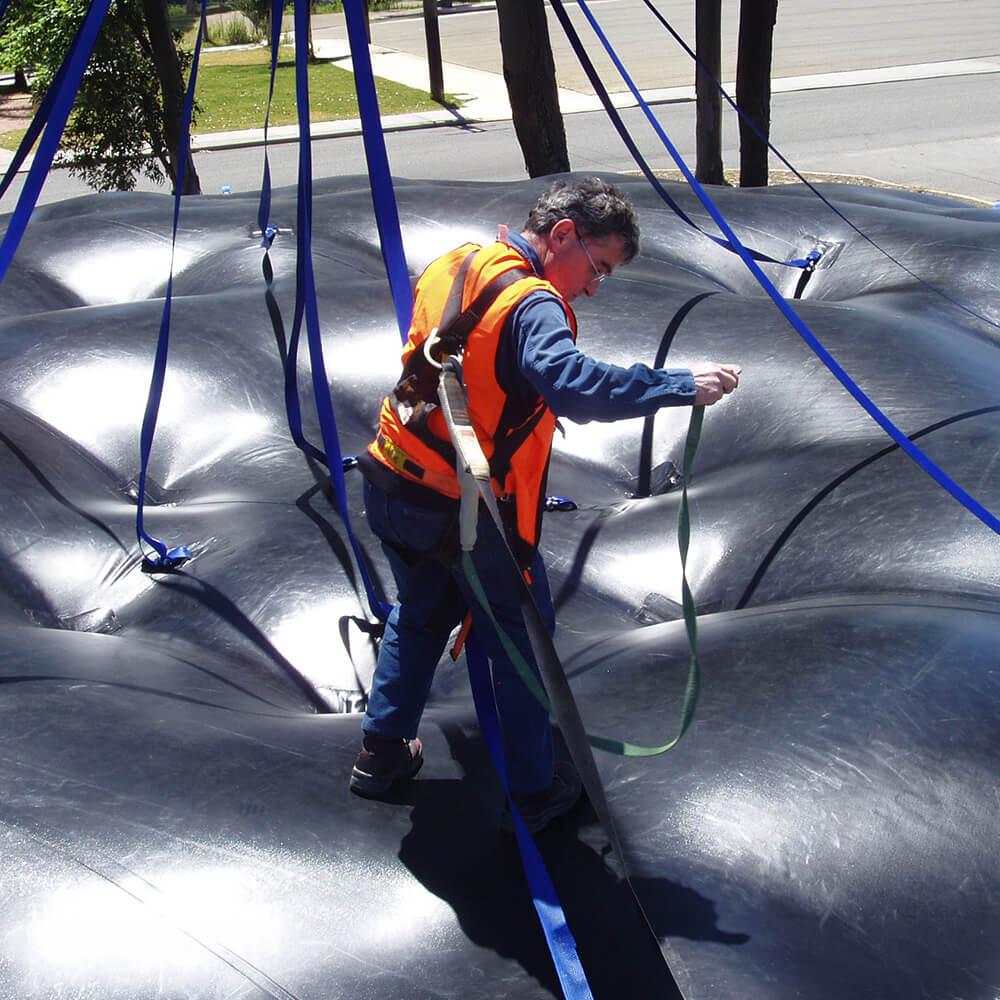
When the application is suitable, industrial inflatable systems can offer a combination of advantages that are difficult to achieve with conventional structures.
They can reduce transport size while providing a much larger deployed structure.
They can be useful where access is restricted.
They can accommodate unusual geometry.
They can reduce installation and removal work for temporary applications.
They can also be designed for inspection, repair, storage and repeated deployment.
For industries such as mining, maintenance, shutdowns and industrial processing, those characteristics can provide significant practical advantages.
But none of them automatically make an inflatable the right solution.
They simply give the designer another engineering option.
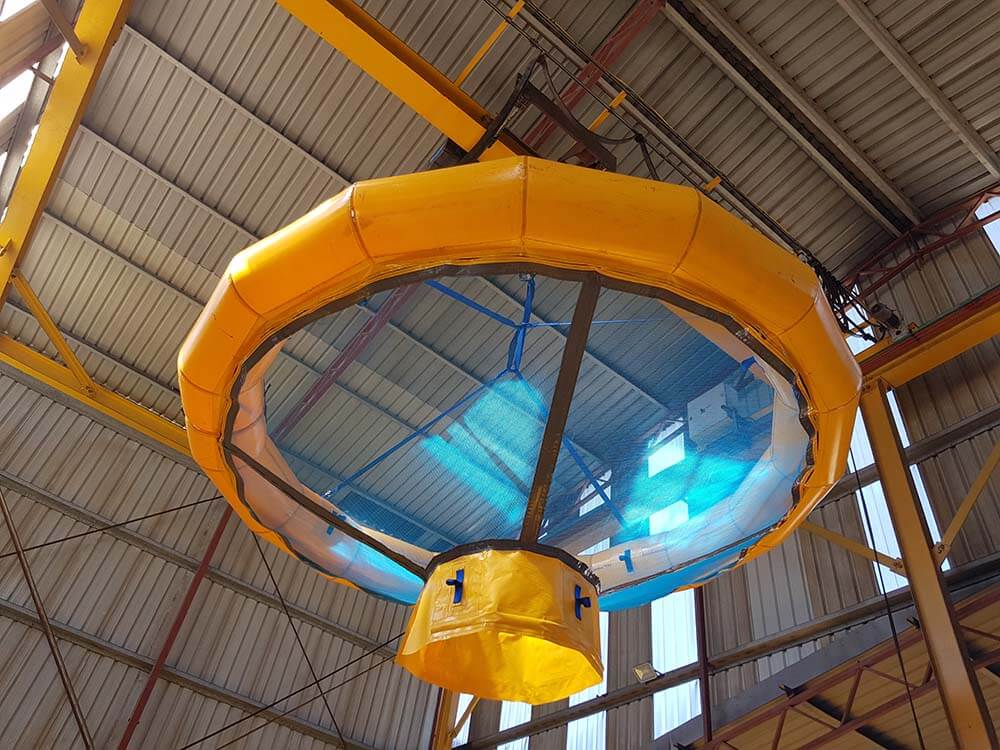
Where an inflatable may not make sense
Industrial inflatables aren’t a universal replacement for conventional engineering.
If something needs to remain permanently installed for decades and a steel or concrete structure can be constructed easily and economically, there may be little reason to make it inflatable.
The operating environment can also rule out certain solutions.
Extreme temperatures, incompatible chemicals, unavoidable sharp surfaces, abrasion or other hazards may make a flexible structure inappropriate unless those risks can be adequately managed through design, material selection or site preparation.
The consequences of failure also matter.
If damage or pressure loss creates an unacceptable risk that cannot be controlled through the design of the system, another solution should be considered.
Sometimes steel is better.
Sometimes concrete is better.
Sometimes the simplest conventional solution is exactly what should be used.
Good engineering isn’t about forcing a particular technology into an application.
It’s about selecting the technology that best solves the problem.
Inflatable systems are tools, not answers
Industrial inflatable systems are incredibly versatile, but versatility shouldn’t be confused with suitability.
The application, environment, installation method, operating requirements, material selection, repairability and consequences of failure all need to be understood before the final design is developed.
When those factors align, an inflatable system can solve problems that are difficult, expensive or impractical to address using conventional methods.
When they don’t, another solution should be chosen.
At PolyFusion WA, the first question isn’t:
“Can we make this inflatable?”
It’s:
“Should this be inflatable?”