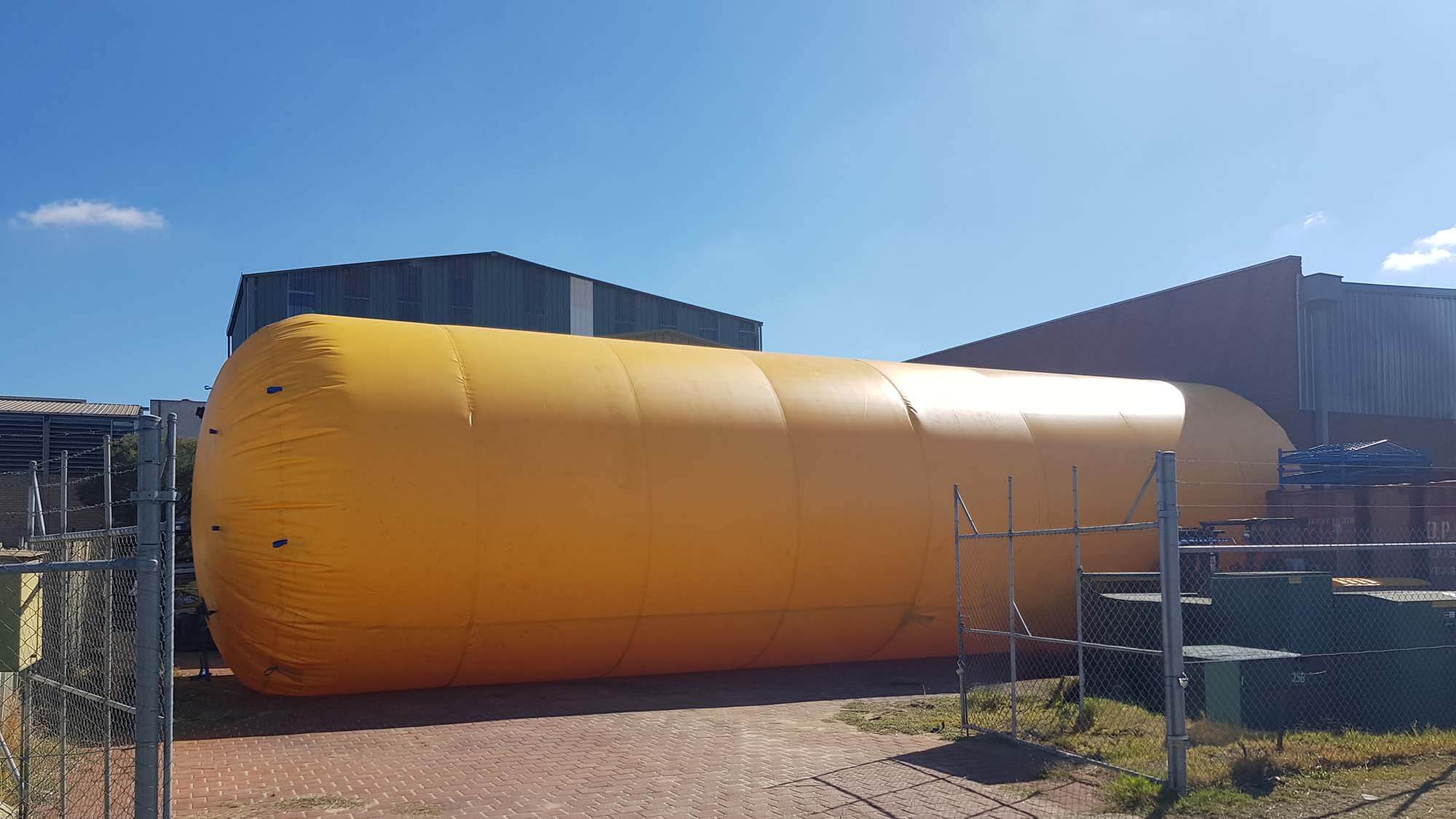
Why Testing Matters
By Justin Russell •
From Workshop to Worksite: Why Testing Matters
Industrial inflatable systems are often used in environments where there is little room for error.
Whether they’re controlling underground ventilation, isolating a work area, supporting a concrete pour or lifting a critical load, the expectation is the same. The product needs to perform as intended when it’s called upon.
Unfortunately, a single failure can do more than disrupt a project. It can damage confidence in the technology itself.
Over the past year, we’ve spoken with several companies that have experienced failures involving inflatable or liquid filled systems. In many cases, the result wasn’t just a failed product. It left people questioning whether those types of systems could be trusted at all.
In our experience, that’s often the wrong conclusion.
The technology itself isn’t usually the problem. More often, it’s the engineering, manufacturing or validation behind it.
That’s why testing has become an integral part of how we develop products at PolyFusion WA.
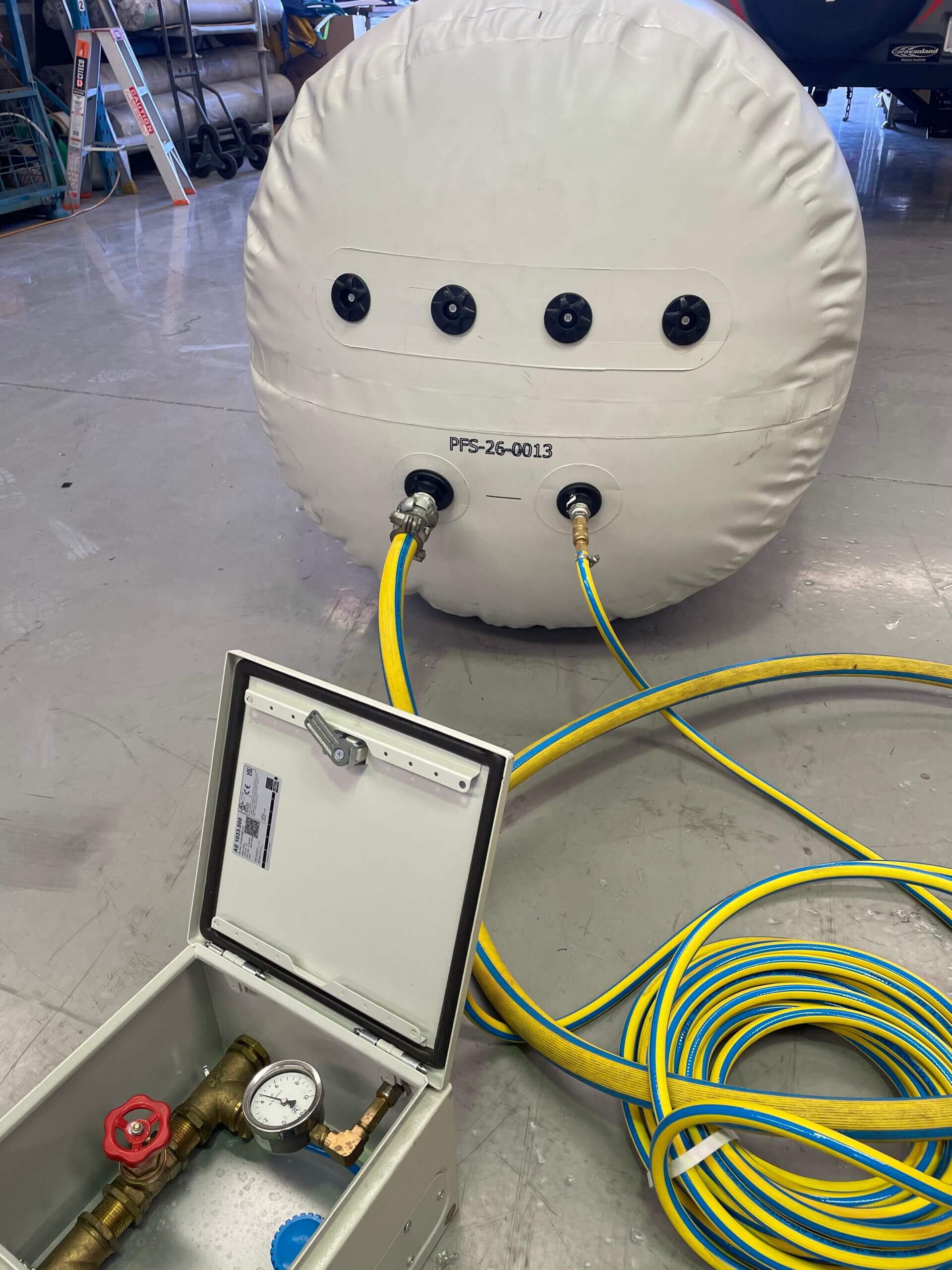
Engineering doesn’t stop at the drawing
Every new product begins with calculations, drawings and engineering experience.
Those are essential, but they also rely on assumptions.
Will the reinforcement distribute the load as intended?
Will the weld geometry behave as expected?
How will the product inflate under real conditions?
Will installation on site be as straightforward as planned?
The only way to answer those questions with confidence is through testing.
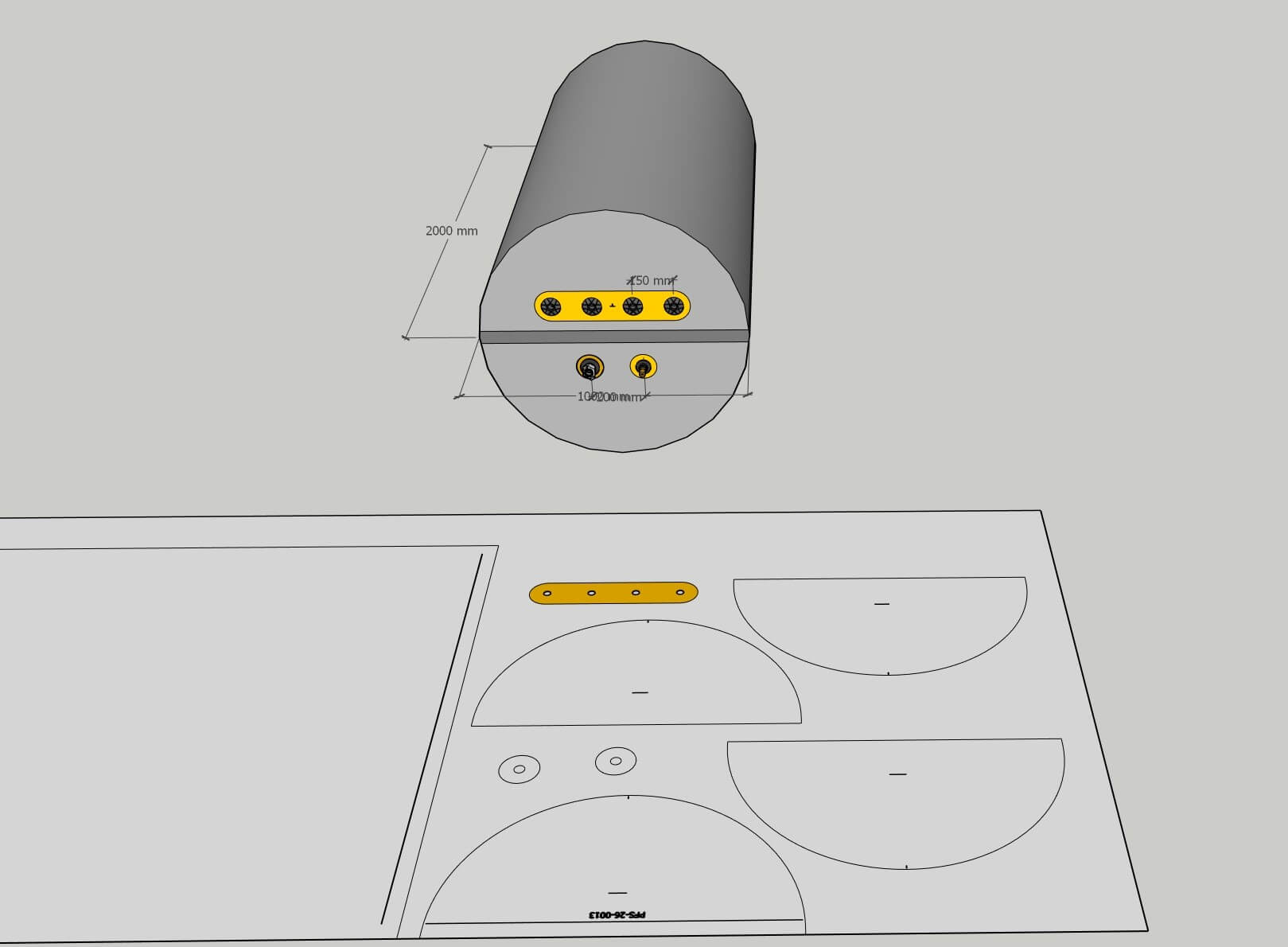
Testing is about understanding, not just breaking things
When people hear the words “product testing”, they often imagine dramatic burst tests or destructive testing.
Those tests certainly have their place, but they represent only a small part of the development process.
Most testing is far less dramatic.
It involves checking dimensions, monitoring pressure retention, validating installation procedures, confirming manufacturing consistency and understanding how a product behaves throughout its operating range.
Sometimes a test confirms exactly what we expected.
Sometimes it identifies an opportunity to improve the design before it ever reaches a customer.
Both outcomes are valuable.
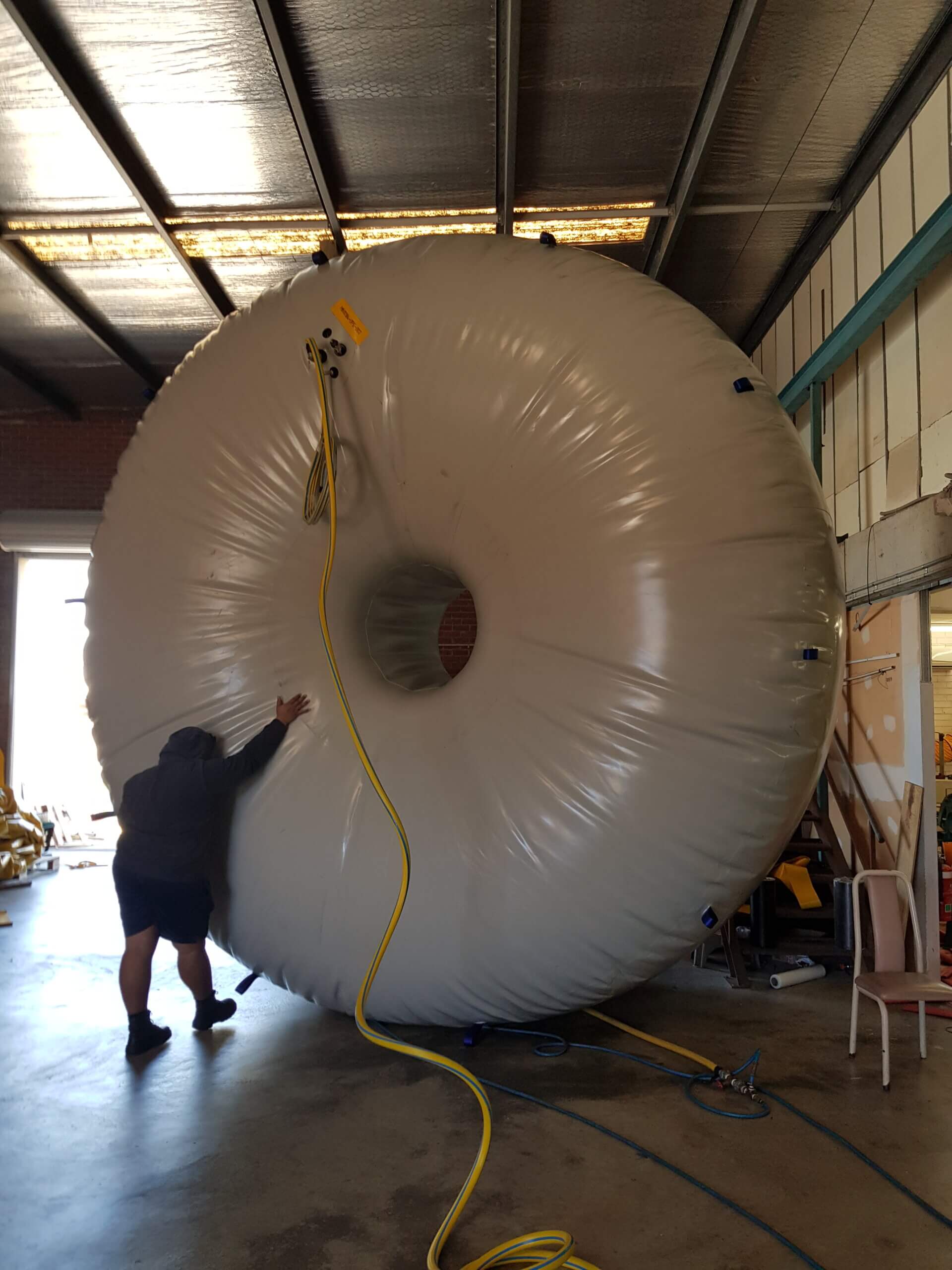
Building confidence through evidence
Building confidence requires more than calculations and experience alone. It requires evidence.
Industrial inflatable systems are supplied into a wide range of industries and applications. While many sectors have established engineering standards, product specific guidance for inflatable systems can be limited or is still evolving.
That places even greater importance on sound engineering judgement, practical experience and product validation.
For us, testing isn’t about proving a product is “good enough.”
It’s about understanding its behaviour, verifying our assumptions and continually improving the way we design and manufacture inflatable systems.
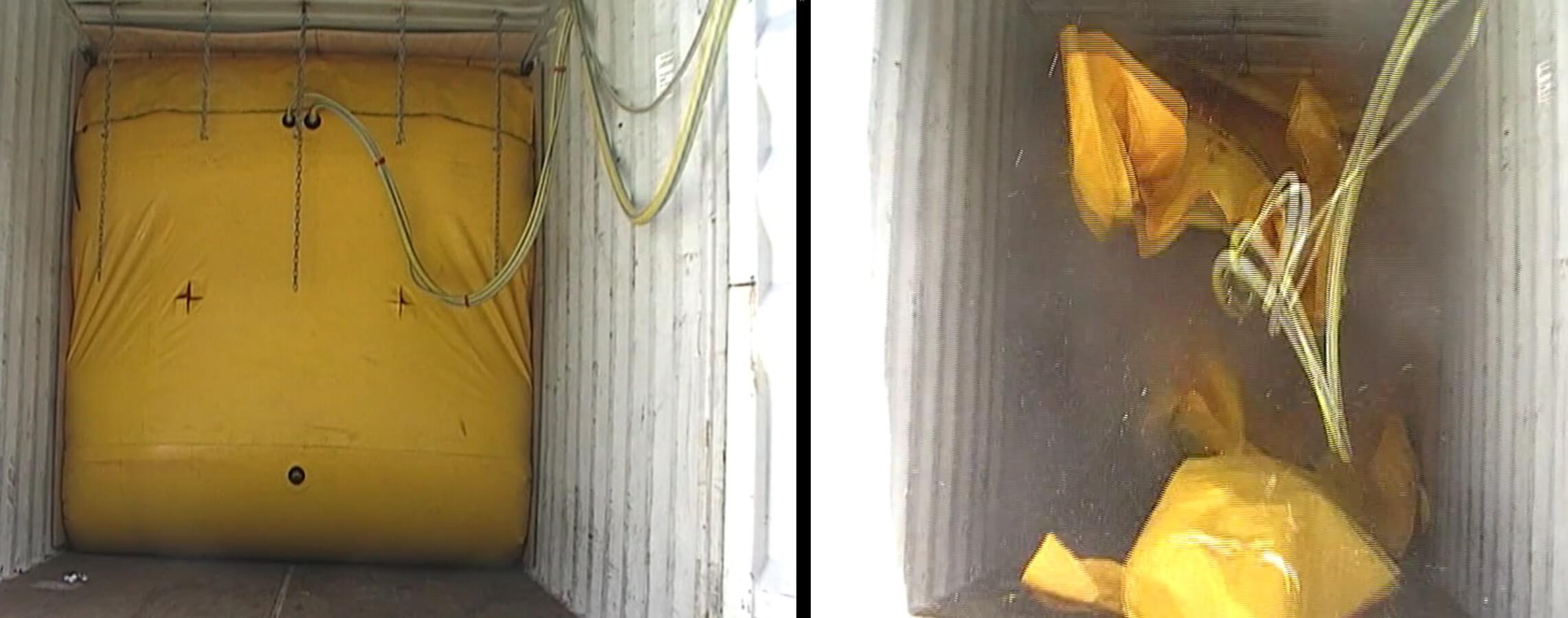
Every project teaches us something
We’re also continuing to invest in new products and technologies. As we develop the next generation of industrial inflatable systems, our testing program is growing alongside them. Every prototype, every pressure test and every design review contributes to products that are safer, more reliable and better suited to the environments they’ll operate in.
One of the things we enjoy most about developing industrial inflatable systems is that no two projects are exactly the same.
Every prototype, pressure test and production run adds to our understanding.
Sometimes we confirm we’ve made the right design decisions.
Sometimes we discover a better way.
Either way, the next product benefits from what we’ve learned.
That’s the advantage of treating testing as part of the engineering process, rather than something that’s done at the end.
At PolyFusion WA, we don’t test products because we expect them to fail.
We test them because our customers expect them to succeed.
Several factors worth considering before choosing an industrial inflatable solution.