Why Good Drawings Don’t Guarantee a Successful Inflatable Installation
By Justin Russell •
Why Good Drawings Don’t Guarantee a Successful Inflatable Installation
Engineering drawings are an essential part of every industrial inflatable system. They define dimensions, clearances and the intended operating position, providing the foundation for successful design and manufacture.
However, one lesson we’ve learned after more than twenty years of manufacturing and installing industrial inflatable systems is that drawings only tell part of the story.
A drawing shows what a completed installation should look like. It rarely shows what it takes to get there.
Installation Starts Long Before Inflation
Before an inflatable system is ever commissioned, it has already been transported, unloaded, moved through site, positioned, lifted into place and connected.
Every one of those stages introduces practical challenges that may not appear on a drawing.
Questions we routinely ask during the planning stage include:
- Where will personnel actually work?
- Is there enough room to safely lay out the inflatable before installation?
- What lifting equipment is available?
- Is there adequate compressed air?
- Are there structures that could snag or damage the inflatable?
- Does the installation method allow the system to be positioned without twisting or dragging?
These practical considerations often determine whether an installation runs smoothly or becomes unnecessarily difficult.
Site Conditions Always Influence the Plan
Even when drawings are technically correct, they rarely capture every site condition.
Underground mines, processing plants and shutdown environments all present challenges that are difficult to represent on paper.
Mud, water, restricted access, limited headroom, existing infrastructure, ventilation airflow and available lifting equipment can all affect how an inflatable system is installed.
Environmental conditions can also change how materials behave. A system that is straightforward to handle in one location may require a completely different approach in colder climates where PVC materials become less flexible.
Good planning considers both the drawing and the environment where the work will actually take place.
Experience Helps Identify the Missing Pieces
One of the biggest advantages of experience is not simply knowing how to manufacture an inflatable system.
It is knowing which questions to ask before manufacturing begins.
Rather than looking only at the finished installation, we mentally walk through every stage of the deployment.
How will the system arrive on site?
How will it be moved into position?
Where are the lifting points?
Could it twist during installation?
What surfaces could cause abrasion?
How will it eventually be removed?
These questions often identify issues long before they become expensive problems.
Learning From Site Experience
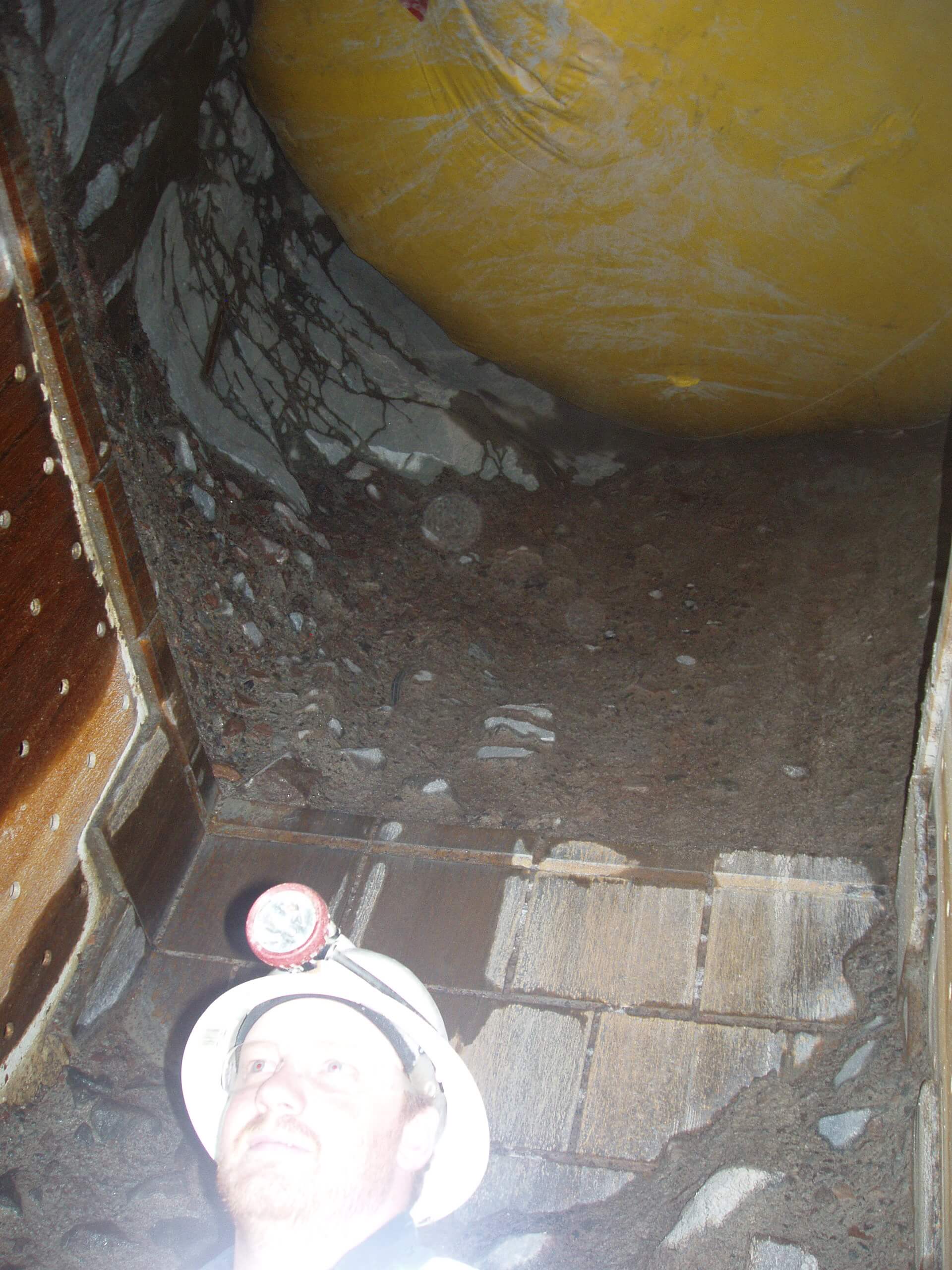
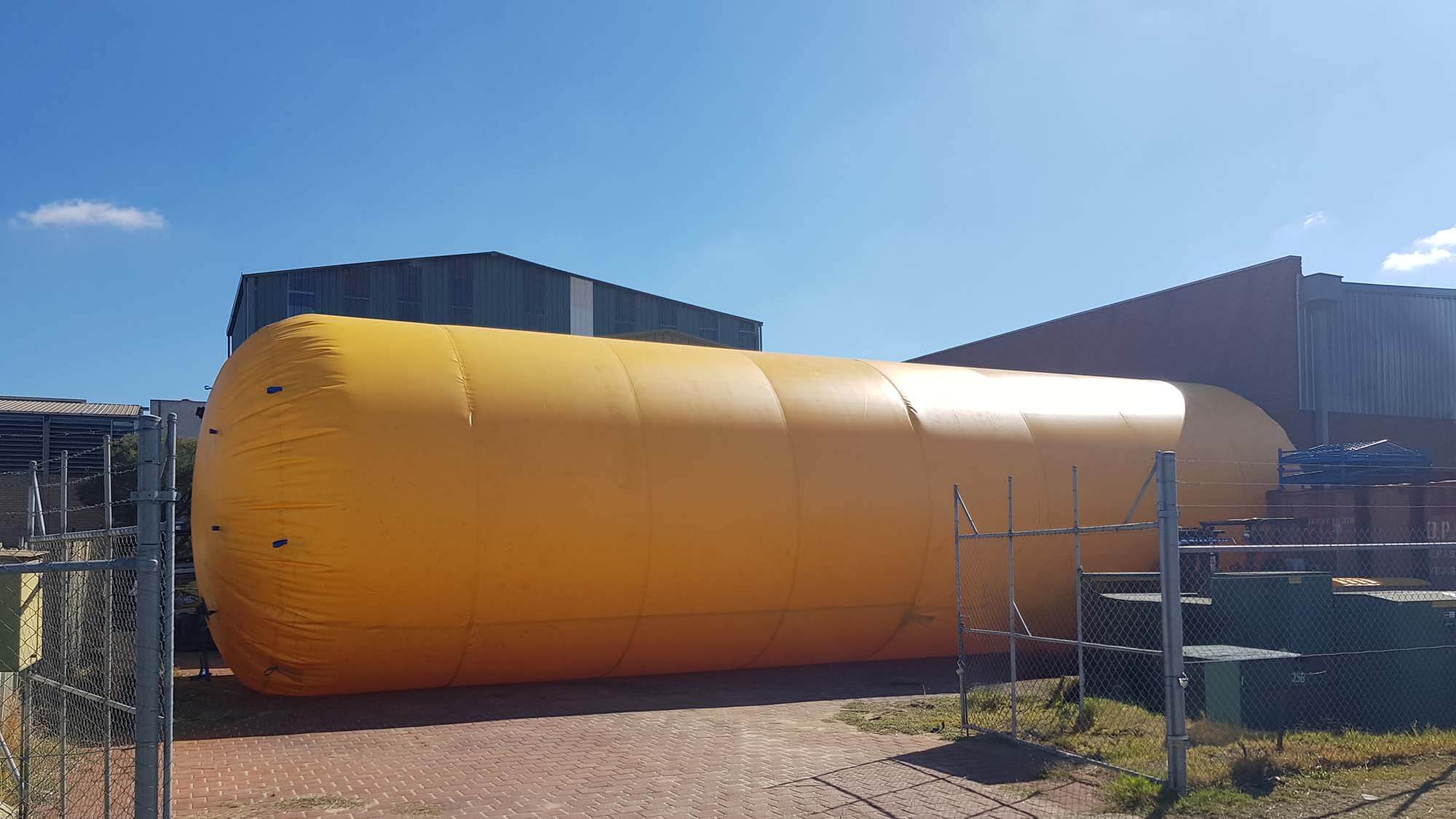
One project involved installing a large inflatable overhead protection system into an underground ore pass.
The drawing accurately represented the structure, but it could not show the practical challenges surrounding the installation.
The inflatable was approximately fifteen metres long, while the available landing area at the top of the ore pass was only around four metres wide and partially occupied by existing railings and infrastructure. The area was muddy, headroom was limited and conventional lifting methods were impractical.
The initial installation was successful, but it highlighted opportunities for improvement.
By refining the installation method and incorporating winches, pulleys and guide rollers, future deployments became significantly faster and easier. The client continued using the system successfully for many years because the installation process evolved from practical experience.
Designing for Installation
A successful inflatable system is not simply one that performs well once inflated.
It must also be practical to transport, install, commission, inspect, maintain and remove.
Designing with installation in mind often prevents problems before they occur and makes the entire system safer and easier for the people using it.
Final Thoughts
Engineering drawings remain one of the most important tools in any project.
However, successful installations rely on more than drawings alone.
Practical planning, site conditions, installation methods and operational experience all play an equally important role.
At PolyFusion WA, we believe the best inflatable systems are developed by combining sound engineering with practical installation experience. When both work together, projects are completed more efficiently, systems perform as intended and operators have greater confidence in the final result.